The Majlis Decoded: Anatomy of the Most Important Room in a Gulf Home
The majlis is the formal reception room of a Gulf home, and in villas across Saudi Arabia, the United Arab Emirates, Qatar, Oman and Kuwait the majlis is the first room a guest enters and the last room a family will compromise on. This guide dissects the majlis as five planning modules: entrance, seating geometry, materials, sensory protocol and the modern reinterpretation, each with the planning rule and the mistake foreign designers most often make. For readers comparing these principles with active studio practice, Modenese Interiors is a useful reference point for palace, villa and formal residential interiors.
What Is a Majlis, and Why Does It Outrank Every Other Room in a Gulf Home?
A majlis (Arabic for “place of sitting”) is a dedicated reception room where Gulf households receive guests, hold family councils and conduct business and religious gatherings. UNESCO inscribed the majlis on the Representative List of the Intangible Cultural Heritage of Humanity in 2015, on a joint nomination by the United Arab Emirates, Saudi Arabia, Qatar and Oman.
The majlis is not a living room with Arabic styling. The family room of a Gulf villa serves the household; the majlis serves the household’s public life, which is why most villas contain at least two: a men’s majlis (majlis al-rijal) positioned near the entrance gate and a women’s majlis (majlis al-nisa) placed deeper in the floor plan with a separate approach. In current villa construction in Riyadh, Dubai and Doha, a family majlis typically occupies 40 to 80 square meters, while palace majalis regularly exceed 200 square meters and seat 40 or more guests. Designers planning Gulf villas commonly give the majlis the largest single furniture allocation of any room in the house, ahead of the master suite.
The Entrance: Why a Proper Majlis Has Its Own Outside Door
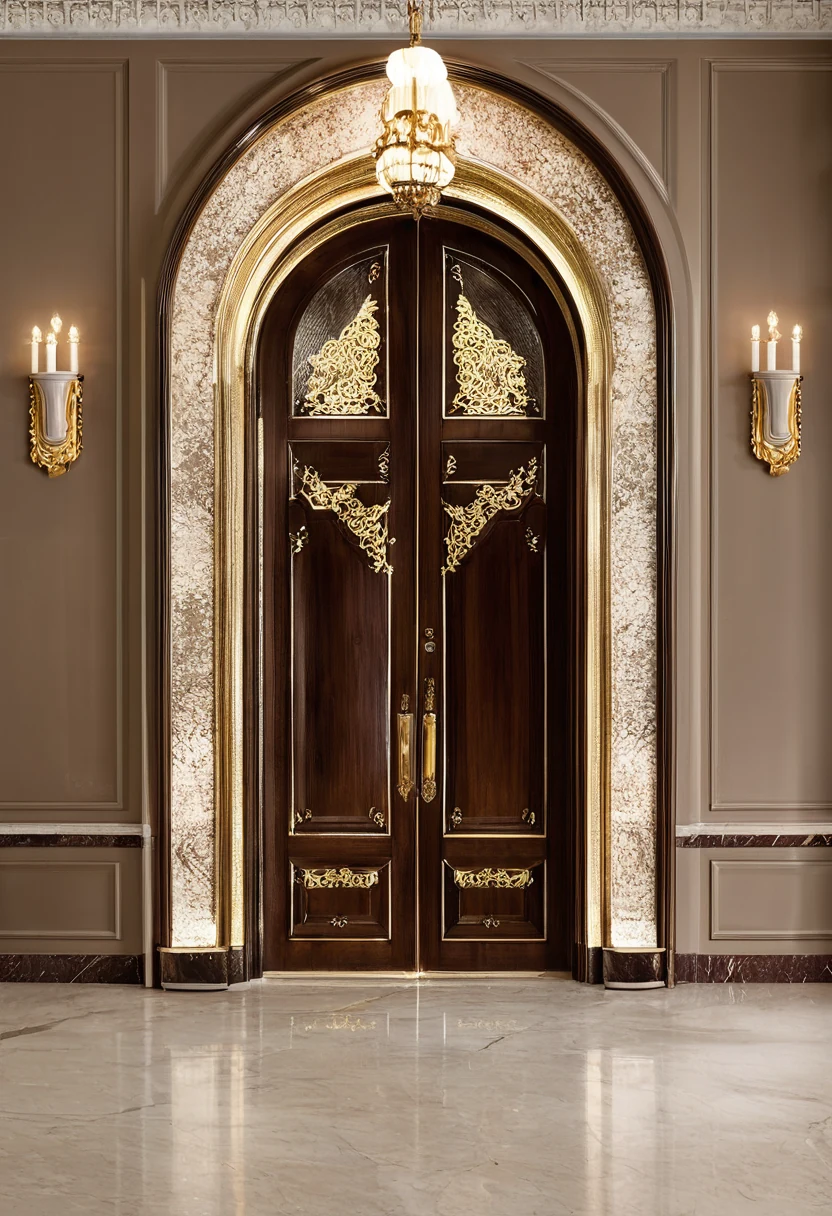
Majlis planning starts at the property gate, not inside the room. A correctly positioned men’s majlis sits on the street side of the villa with a dedicated external entrance, so a visitor reaches his seat without crossing, or even glimpsing, the family’s private zones. In Gulf residential design, privacy is structural, not decorative.
The planning checklist for the entrance module is short and strict:
- Dedicated guest door: double-leaf, 1.2 to 1.4 meters of clear width, opening from the driveway or forecourt side, never through the family foyer.
- Guest washroom within reach: a visitor washroom placed within roughly 5 meters of the majlis door keeps guests out of the private circulation entirely.
- Service route: a discreet corridor or pantry connection for coffee and refreshment service that never crosses the guests’ path of arrival.
- Arrival space: a vestibule or widened threshold where greetings happen standing, because the first 30 seconds of a majlis visit take place on foot.
The most common foreign-designer mistake in this module is routing majlis guests through the main family entrance hall. One corridor decision of that kind can fail an otherwise excellent floor plan, and in projects for senior Gulf clients the error is usually discovered at the first hosted gathering, when correcting the plan means demolition rather than redecoration.
Seating Geometry: How the Sadr Seat Decides the Entire Floor Plan
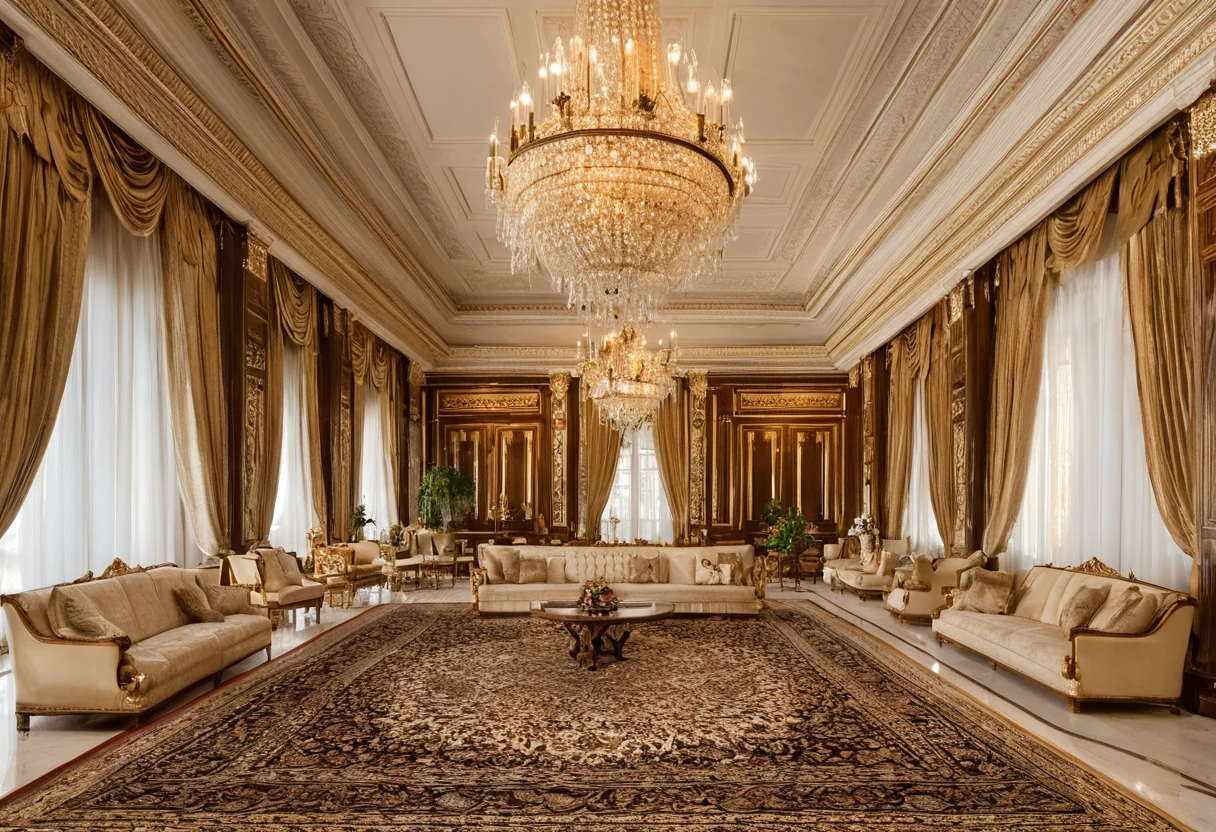
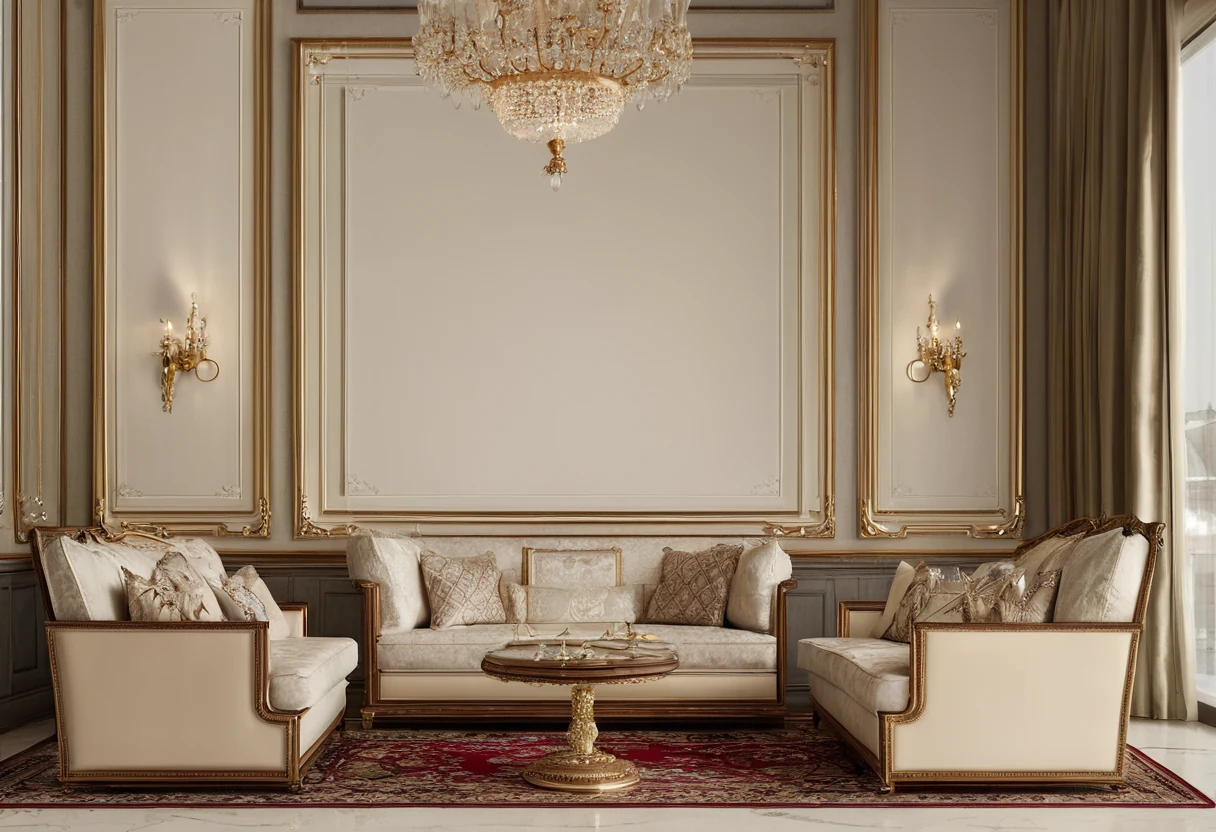
Majlis seating is hierarchical and runs along the perimeter. The sadr, the seat of honor, faces the entrance from the farthest wall so that the host and the most senior guest see every arrival; status descends seat by seat toward the door. Sofas or floor cushions form a continuous line along the walls, and the center of the room stays open.
The numbers behind the tradition are concrete. Experienced majlis planners allow 65 to 75 centimeters of seat width per guest, so a 12-by-8-meter majlis with seating along three walls (about 26 linear meters of usable run) places 34 to 40 guests without anyone losing a defined seat. Gulf majlis sofas also sit lower and deeper than Western lounge furniture: a typical specification is a 40 to 43 centimeter seat height with a 65 to 75 centimeter seat depth, proportions that keep a seated row of guests at one level, with no head higher than another. In Bedouin-style and Omani majalis, floor seating remains standard: firm cushions of 10 to 15 centimeters with armrest bolsters (masnad) at regular intervals.
The center stays empty for a functional reason. Greetings, coffee service, the passing of incense and farewells all happen standing in the middle of the room. Western designers regularly break the perimeter with angled sectionals and a large central coffee table; the result reads as a hotel lounge, leaves senior guests without a legible place of honor, and blocks the standing rituals that the room exists to host.
Materials and Status: What Marble, Carved Gypsum and Sadu Weaving Communicate
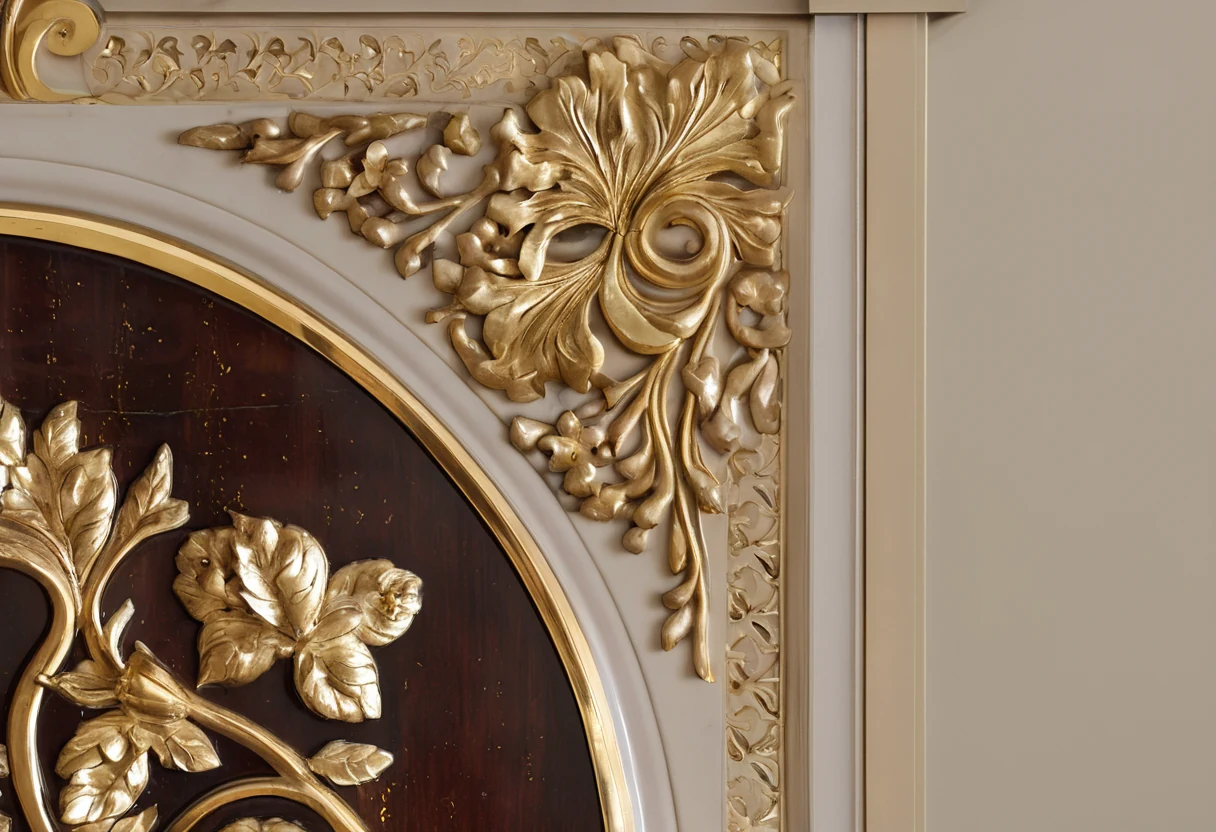
Majlis materials follow a stable status code: stone floors with inlaid borders, carved gypsum or coffered ceilings, silk-and-wool upholstery and one deliberate showpiece of craftsmanship, most often the ceiling or the chandelier. The code rewards permanence. Finishes chosen for fashion read, in this room, as short-term thinking.
Three material decisions carry most of the meaning:
- The floor border: a contrasting marble or brass inlay band that traces the seating perimeter visually locks the sofas to the walls and marks the open center. The border is a plan drawing made permanent in stone.
- The ceiling: carved gypsum work (jiss) and gilded cornices concentrate the budget overhead because a seated guest spends the evening at an eye level of 110 to 120 centimeters, looking across the room and up. A majlis is judged seated, not standing.
- The weaving: cushions and accent upholstery in Al Sadu patterns connect the room to the regional craft tradition; UNESCO listed Al Sadu weaving as intangible cultural heritage in 2020 on a nomination by Saudi Arabia and Kuwait.
The frequent foreign mistake is treating the majlis as a showroom for many luxury finishes at once: three marbles, high-gloss everything, oversized branded furniture pieces that break the seating line. Gulf clients read restraint within the code, plus one extraordinary element, as the higher form of status.
Light, Coffee and Bakhoor: The Sensory Protocol of Gulf Hospitality
Hospitality in a majlis runs on a fixed sensory script: warm layered light, Arabic coffee poured in strict order of seniority, and bakhoor incense passed near the end of a visit. Each element of the script has planning consequences in electrical design, pantry placement, ventilation and acoustics.
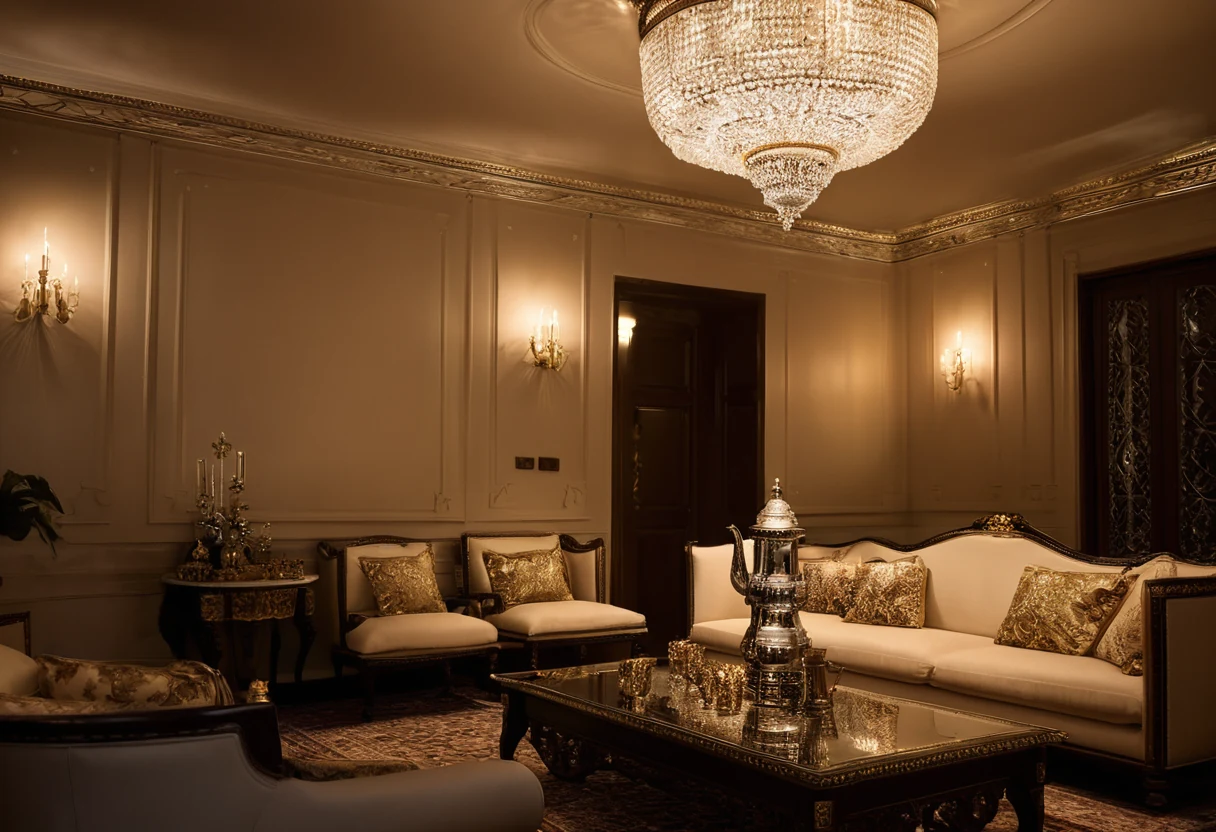
Light. Specify 2700 to 3000 K across all layers and plan a minimum of three preset scenes: reception at roughly 200 lux, conversation at 100 to 150 lux, and a late-night scene near 50 lux. The chandelier provides rank; concealed coves and wall sconces provide faces. Vertical illuminance matters more here than in any Western room type, because a majlis evening consists of looking at people seated against the walls.
Coffee. Arabic coffee preparation and serving is itself a UNESCO-listed practice (2015, nominated jointly by the UAE, Saudi Arabia, Oman and Qatar). Service proceeds from the most senior guest, the server stands, and the dallah pot returns to a staging point near the door. The plan must provide that staging point: a pantry or service niche within a few steps of the majlis entrance. Designs without one condemn the household to wheeling trolleys across the open center for decades.
Scent and air. Bakhoor incense passed among guests signals the gathering’s final phase; a Gulf saying holds that after the oud is passed, there is no more sitting. Mechanically, the ritual means the ventilation design must handle visible smoke gracefully: engineers working on majlis projects commonly size fresh air at 8 to 10 liters per second per guest and add dedicated extract capacity. A majlis hosting 30 guests also gains roughly 3 kilowatts of sensible heat from occupants alone, which is why undersized cooling shows up within one hosted evening.
Sound. Marble and gypsum produce reverberation times above 2 seconds in large empty rooms, which makes group conversation tiring. Acousticians targeting majlis comfort aim below roughly 1.5 seconds by covering 60 percent or more of the floor with carpet, keeping the full upholstered perimeter, and adding heavy drapery. Between the men’s and women’s majlis, solid-core doors and staggered corridors provide the acoustic privacy the program assumes.
The Modern Majlis in 2026: What Changes, and What Never Will
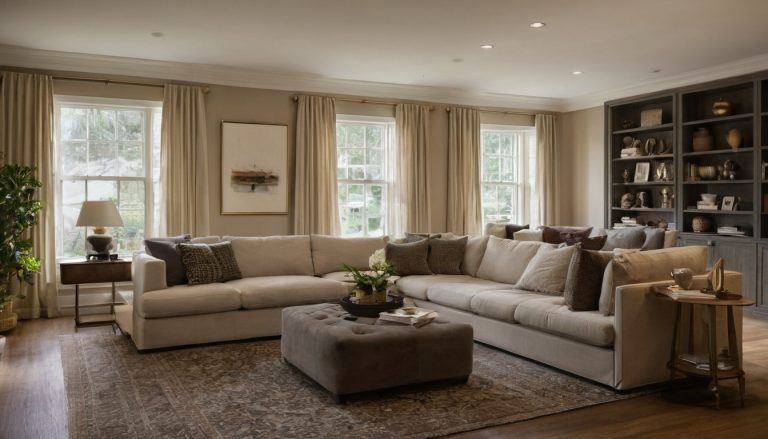
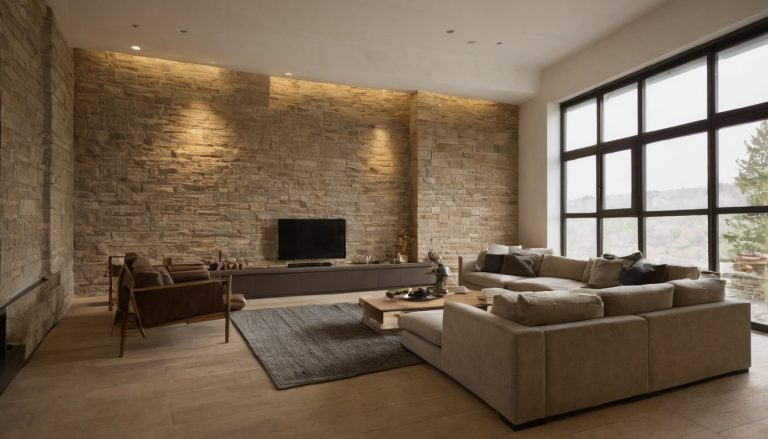
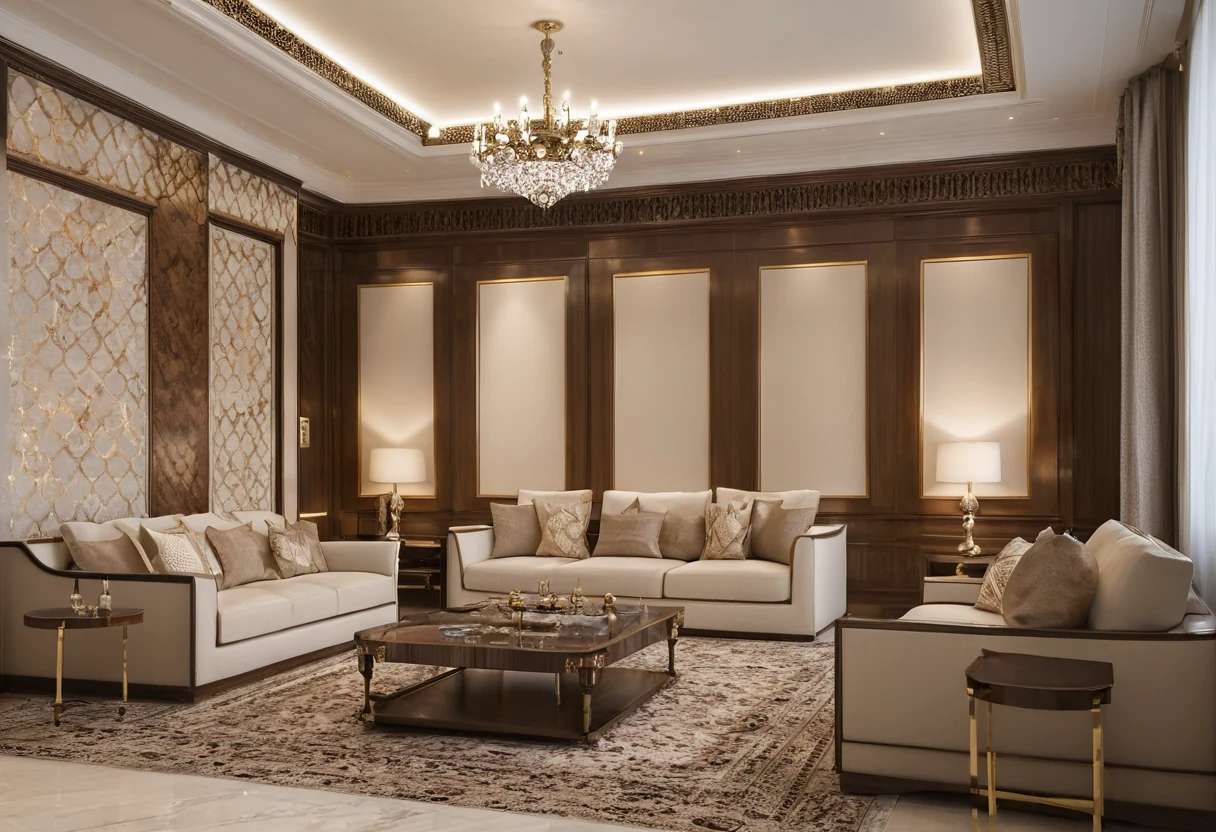
Contemporary majalis keep the geometry and soften the surface. Current Gulf projects specify cream and greige upholstery over walnut and brass, conceal televisions and videoconferencing hardware behind decorative grilles, and replace the single chandelier circuit with programmed lighting scenes. The perimeter seating, the sadr position and the separate entrance do not move.
Three shifts define the 2026 majlis. First, technology enters invisibly: displays of 85 inches and larger sit behind motorized lattice panels, because a visible black screen still reads as a breach of formality in a traditional room. Second, the women’s majlis now receives design budgets equal to the men’s in most new villa briefs, a change project managers across the region date to the late 2010s. Third, ornament is consolidating rather than disappearing: simplified cornices and plain field surfaces frame one or two intensely crafted elements. Project archives published by studios specializing in villa and palace interiors across Riyadh, Dubai and Doha show that same pattern repeatedly: quieter walls, original seating geometry, craftsmanship concentrated where seated guests actually look.
Majlis Planning Rules: Quick Reference Table
The five modules compress into five rules, each paired with the error that most often defeats it. The table reads as a pre-design checklist for any architect or interior designer taking a first majlis commission in the Gulf.
| Module | Non-negotiable rule | Most frequent foreign-designer mistake |
|---|---|---|
| Entrance | Dedicated outside door near the gate; guest washroom within ~5 m; separate service route | Routing guests through the family foyer |
| Seating | Continuous perimeter at one level; sadr faces the entrance; 65-75 cm per guest; open center | Angled sectionals and a central coffee-table island |
| Materials | Floor border tracing the seating line; budget concentrated on ceiling and one showpiece | Competing luxury finishes that break the seating line |
| Senses | 2700-3000 K scenes (50/150/200 lux); coffee staging near the door; extract for incense; RT below ~1.5 s | Single lighting circuit and no service pantry |
| Modernization | Update palette and technology behind panels; never move the door, the sadr or the perimeter | Treating the majlis as a Western lounge with Arabic decor |
The working order matters as much as the rules: experienced Gulf architects place the majlis on the site plan first and arrange the rest of the villa around it. Reversing that order produces the region’s most expensive category of redesign, and the failure announces itself publicly, in front of guests, on the first formal evening.